

 Search
Search
Search

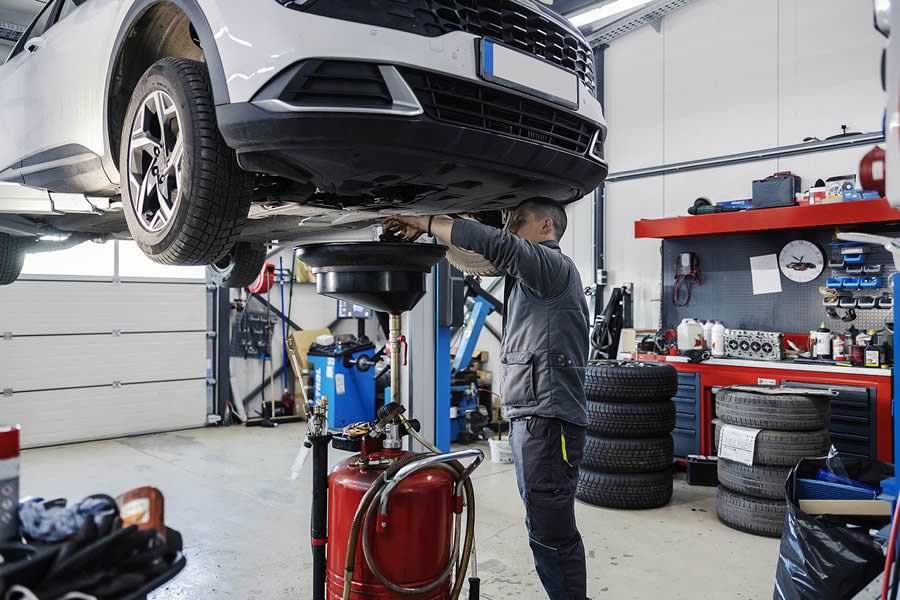
Imagine visiting a repair shop thinking you’d be dealing with a simple fault, and then the estimate comes back higher than expected. It happens all the time, and it can be frustrating if you are not sure where the cost is coming from. The truth is, most repair bills are not inflated!
Once you understand what goes into an auto repair, the numbers start to make more sense. More importantly, you can take steps to keep those costs under control.
Even basic vehicles now rely on sensors, computers, and tightly integrated systems. Car owners should know that a mechanic is not just replacing a part. They are diagnosing a system. That process is a big part of what you are paying for at a good auto repair shop.
Different replacement parts may vary both in terms of quality and price. Some replacement parts might be OEM (original equipment manufacturer) replacements, while others are simply aftermarket replacements, which may be more economical but could be less durable.
However, an experienced auto mechanic should help you choose your replacement. Although opting for a cheaper replacement might seem more economical at first, it is often better to pay a bit more and not have to replace the part again.
Labor is another major factor. Many repairs involve more than removing and replacing a part. Accessing certain components can take time because of how modern vehicles are designed. Something as simple as a starter or water pump may be buried under other parts.
A skilled mechanic works efficiently, but they also work carefully. That balance matters. Rushing a job can lead to mistakes that cost more to fix later.
You might bring your car in for one issue and learn there are others that need attention. This is not always bad news. It often means the mechanic is catching problems early.
The best solution is to conduct regular maintenance of your car. This includes oil change, fluid checks, and other types of inspections. This will enable you to detect problems while they are still minor.
Another method that may be used is by paying attention to any warning signs. These include odd noises when driving, strange behavior when driving, and warning lights on your dashboard.
A good way to avoid any unforeseen costs in the future is to create a relationship with an auto repair shop in Buckhead, GA like Wright’s Car Care. This will enable the mechanic to understand your vehicle's history, providing useful advice.
A good mechanic will not mind explaining what needs to be done and why. Ask for a breakdown of parts and labor. If something is unclear, ask again. Understanding the repair helps you make better decisions.
You do not need to know everything about cars. You just need enough information to feel confident in the work being done.
Automobile repairs are expensive, not only due to complexity but also because repairing a car takes both skills and time. But the upside is that most of the above expenses can be controlled through proper maintenance.
Here at Wright’s Car Care, integrity and transparency guide us in our work. When you know what's involved in getting your car fixed, the whole experience becomes far less daunting.
Wright's Car Care offers the most reliable import and domestic auto repair services. Read our blog posts to learn more about your vehicle.
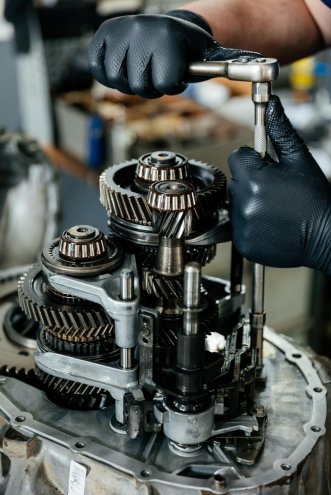
The importance of transmission service lies in keeping the car steady and safe on the road. This improves safety and limits unintentional mistakes while driving. A transmission must be in…
READ MORE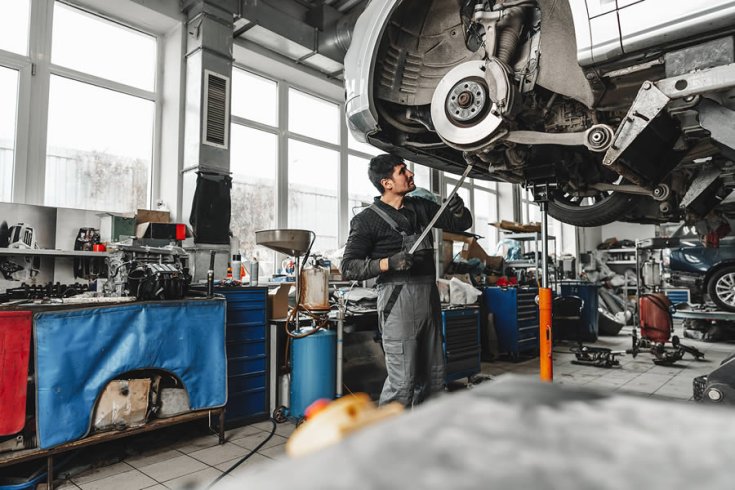
Ever had a look under your car? Perhaps not. Few car owners take the time to look under their car to examine the condition. If there is an issue with the exhaust, suspension, or steering systems, it must be taken to an auto repair shop in Dunwoody, GA with heavy machines where automobiles are hung in the air. Someone has full access to the…
READ MORE
A well-tuned engine is a symbol of precision and power. However, that power can begin to wane over time due…
READ MORE
Driving often feels routine and predictable. With years of experience behind the wheel, most drivers think there is nothing more…
READ MORE