

 Search
Search
Search

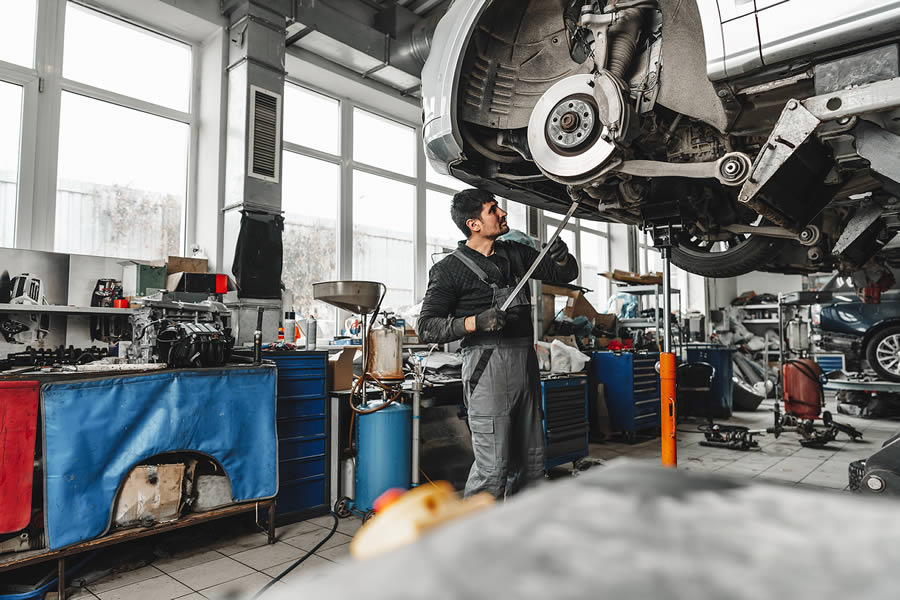
Ignoring a strange noise, putting off an oil change, or convincing yourself that a warning light probably isn't a big deal might feel like you're saving money in the moment, but short-term thinking is exactly what leads to tow trucks, missed workdays, and repair bills. Every mechanic has seen a customer come in for what should have been a $150 fix, except they waited six months, and now they're looking at a $2,000 repair because the original problem caused a chain reaction of damage. At Wright's Car Care, we've built our reputation on honest assessments and helping customers understand the real priority level of what their vehicle needs, because we know the difference between a repair shop that's trying to upsell you and one that's trying to keep your car on the road longer. The reality is that small repairs prevent major breakdowns. A worn belt affects your water pump, which affects your engine temperature, which affects... well, everything. We're going to break down the most commonly ignored maintenance items, explain why each one matters, and help you recognize when waiting is fine, and when it's a gamble you'll probably lose.
Your vehicle isn't a collection of independent parts. It's an integrated system where components depend on each other to work correctly. A serpentine belt that costs $25 to replace drives your alternator, power steering pump, water pump, and air conditioning compressor. When the belt snaps, your engine loses coolant circulation within seconds. Temperatures spike, head gaskets blow, and suddenly you're looking at an engine rebuild because you delayed a belt replacement. The same principle applies throughout your car. Worn suspension components throw off your wheel alignment, which chews through your tires unevenly, which creates vibrations that damage your wheel bearings. A failing oxygen sensor causes your engine to run rich, which messes up your spark plugs, which leads to misfires, which dumps unburned fuel into your catalytic converter and destroys a $1,200 part. These cascades happen because engineers designed every system to work within specific tolerances. When one component drifts outside those tolerances, it forces neighboring parts to compensate. That accelerates wear on those parts, and the problem multiplies. A trusted auto repair shop in Atlanta catches these issues during routine inspections before they trigger expensive chain reactions.
Modern vehicles contain dozens of sensors that monitor everything from oil pressure to emissions system performance. When a warning light illuminates, your car is telling you something specific. The check engine light might indicate anything from a loose gas cap to a failing catalytic converter, but the only way to know is to pull the diagnostic codes. Driving with the light on for weeks means you might be compounding a minor issue into a major one. The oil pressure warning demands immediate attention. Low oil pressure starves your engine bearings of lubrication, and metal-to-metal contact destroys internal components within minutes. Pull over and shut off the engine. The temperature warning works similarly. An overheating engine can warp cylinder heads and crack engine blocks. These repairs cost thousands. The battery and charging system light indicates your alternator isn't generating enough power. Your car will run until the battery dies, then leave you stranded. Brake system warnings signal either low fluid or a fault in your ABS system. Both need the same-day attention. It's important to respond to these warnings before they get worse. A diagnostic service reveals exactly what triggered the light, and the information lets you make the right decisions about your auto repair rather than guessing and hoping for the best.
Every fluid in your vehicle serves a specific purpose, and every leak signals a developing problem. Color and location help identify the source. Bright green, orange, or pink fluid pooling under the front of your car indicates coolant. Your cooling system operates under pressure, and even small leaks reduce efficiency. The engine runs hotter, and sustained elevated temperatures warp metal components. Dark brown or black spots suggest engine oil. Oil leaks usually start small and grow as gaskets and seals deteriorate. A slow leak becomes a fast leak, and running low on oil causes catastrophic engine damage. Red or pink fluid near the front center points to transmission fluid or power steering fluid. Transmission leaks lead to slipping gears and eventual transmission failure. Clear or light brown fluid near the wheels means brake fluid. Your brake system uses hydraulic pressure, and air in the lines compromises stopping power. This creates a genuine safety hazard. Catching any of these leaks early means replacing a seal or tightening a connection. Ignoring them means replacing entire systems. Checking your parking spot for new spots takes five seconds. A quick glance can save you from being stranded or facing a repair bill that exceeds your car's value.
Brake pads wear down with every stop. That's expected and normal. But your braking system includes rotors, calipers, brake lines, and fluid that all require attention. When the pads wear too thin, the metal backing plate contacts the rotor surface. A grinding noise indicates active damage. The rotor develops grooves and scoring that reduce braking effectiveness. Replacing rotors costs a lot more than replacing pads. Brake calipers contain pistons and seals that corrode. A seized caliper drags against the rotor constantly and creates uneven wear that pulls the vehicle to one side during braking. Brake fluid absorbs moisture from the atmosphere through microscopic pores in rubber brake lines. The moisture lowers the fluid's boiling point. Under heavy braking, contaminated fluid can boil inside the calipers, creating vapor bubbles that compress instead of transmitting hydraulic pressure. Your brake pedal goes soft, and stopping distances increase dramatically. Flushing brake fluid every two years prevents degradation. Complete brake inspections at every auto repair shop visit catch problems while solutions remain affordable.
Small problems become expensive problems when you wait. The money you spend on preventive maintenance and early repairs represents a fraction of what you'll spend recovering from neglect. Wright's Car Care is here to help you understand what your vehicle actually needs versus what can wait. We explain our findings, show you the worn parts, and let you make the decision. Schedule an inspection today and find out exactly where your car stands.
Wright's Car Care offers the most reliable import and domestic auto repair services. Read our blog posts to learn more about your vehicle.
Ever had a look under your car? Perhaps not. Few car owners take the time to look under their car to examine the condition. If there is an issue with…
READ MORE
A well-tuned engine is a symbol of precision and power. However, that power can begin to wane over time due to a wide range of reasons, prompting immediate attention to prevent getting stuck by the roadside when you least expect it. The last thing any driver wants is an engine that loses power, causing inconveniences and potentially dangerous situations on the road. At Wrights Car…
READ MORE
Driving often feels routine and predictable. With years of experience behind the wheel, most drivers think there is nothing more…
READ MORE
Most people do not think about the transmission until it starts acting up. Then it is hard to ignore. Whether…
READ MORE